Brighton Mini Maker Faire 2015

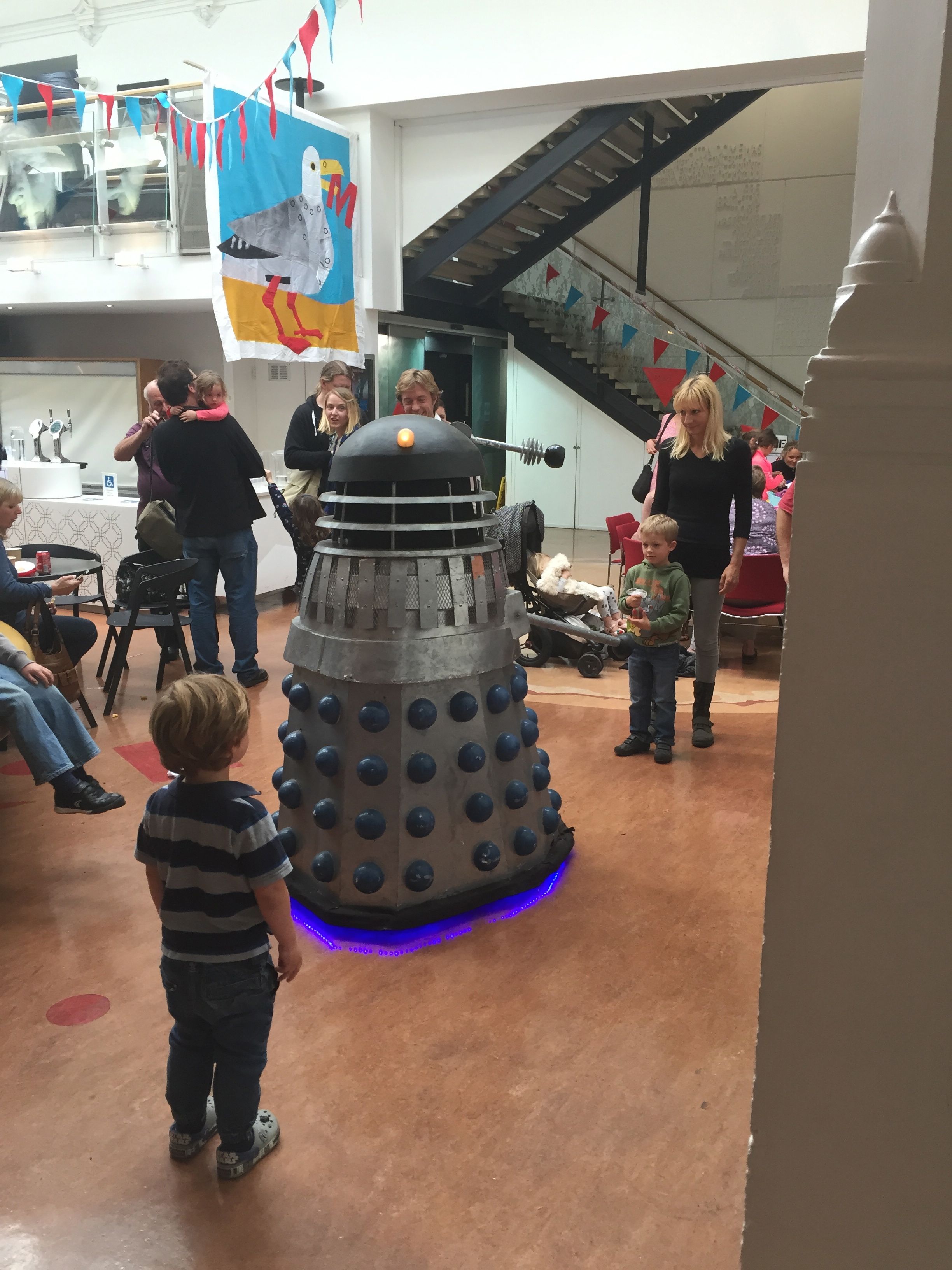
Brighton Mini Maker Faire 2015: Dalek

It has to be a dalek really doesn’t it?

I hadn’t been to the Brighton Mini Maker Faire for a couple of years, so it was nice to go back again. It felt bigger than the last time I was there, and certainly felt like there were a lot more people there too.

I had a good look around the whole show and there were a few interesting things there, but nothing that totally grabbed my attention. But then it really isn’t something that’s aimed at me I think. It’s more focused on kids and parents, which is good, and as it should be really. Even so I found it interesting and good to see a few companies I really like showing off their stuff.

And then Phoenard arrived

Phoenard Prototyping Device

I’d sort of forgotten about funding this on Kickstarter until it arrived. I’m not entirely sure what I’m going to do with it. I did have a couple of ideas, and I’m sure I wrote them down somewhere, so I’ll have to look them out and see what I can do with it.

I’m sure it’ll find a place and I’m sure I’ll have some fun with it too.

A first go at weaving with Conductive Threads

I went to a workshop today on weaving with conductive thread. Not something I’ve done a lot of before, but something I’ve had a previous taste of when I did a workshop of making interactive clothes. However, I’ve never done anything with weaving at all, but it always seemed like a fun thing to try.

So the idea was to weave something small and introduce a couple of conductive thread elements in that could be attached to a microcontroller board like a TouchBoard. In fact, it was a TouchBoard in this instance and that was very straightforward to use as it is nice and easy to connect up.

Well the weaving was ok, in fact easier than I expected although I made a few mistakes. Introducing the conductive thread was simple enough, and as you can see I managed to create a little piece of stuff at the end of it. It worked too. I connected it up to the TouchBoard and it worked a treat. In fact, when I got home I connected it to my Ototo board and that was fine too.

So what’s next? I’m not sure actually. I don’t know quite how I’ll take this forward if at all. There are a few possible applications to it, a few ideas bubbling around, but I need to think about them a bit more first.

Let’s see what happens.
The SoundLab guide is now available

The new SoundLab site and guide is up now. It’s been a long time coming and it looks great. I hope that it will make a difference to organisations and groups and that it’ll be a useful resource. I can safely say that I had more fun from being a part of SoundLab than most other work I’ve been involved with.

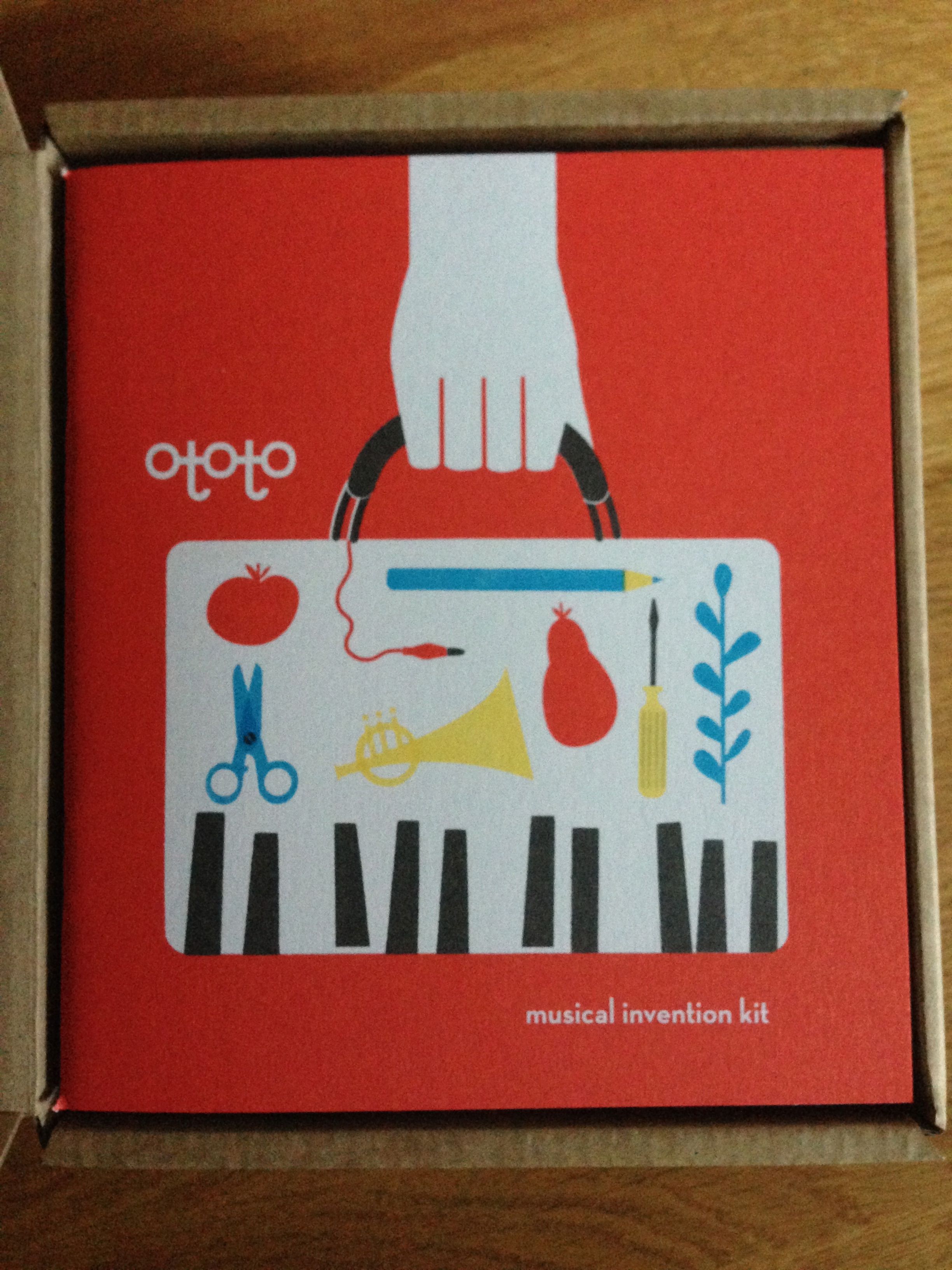
New Ototo sensors and some thoughts on the board itself

IMG_6662

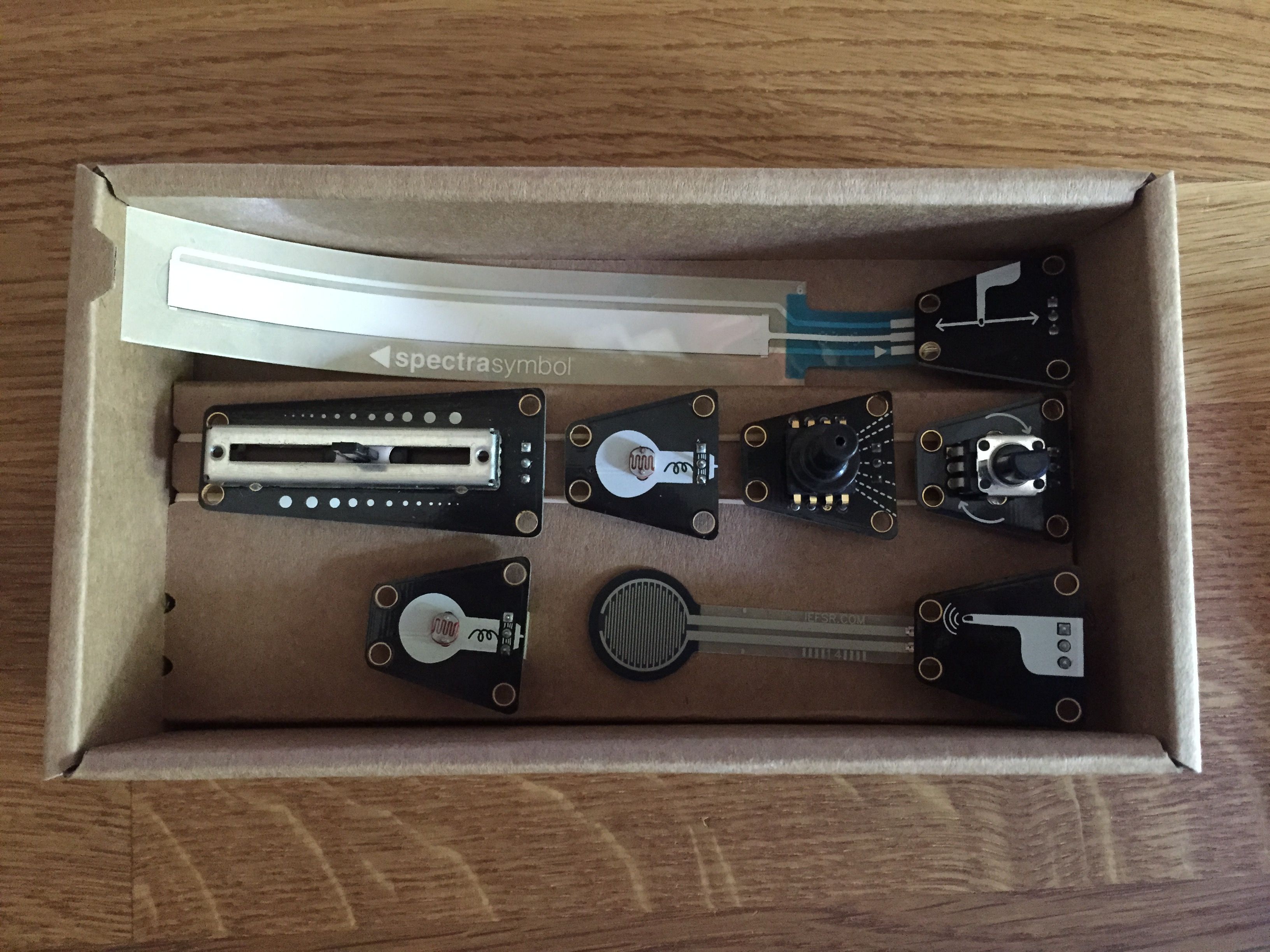
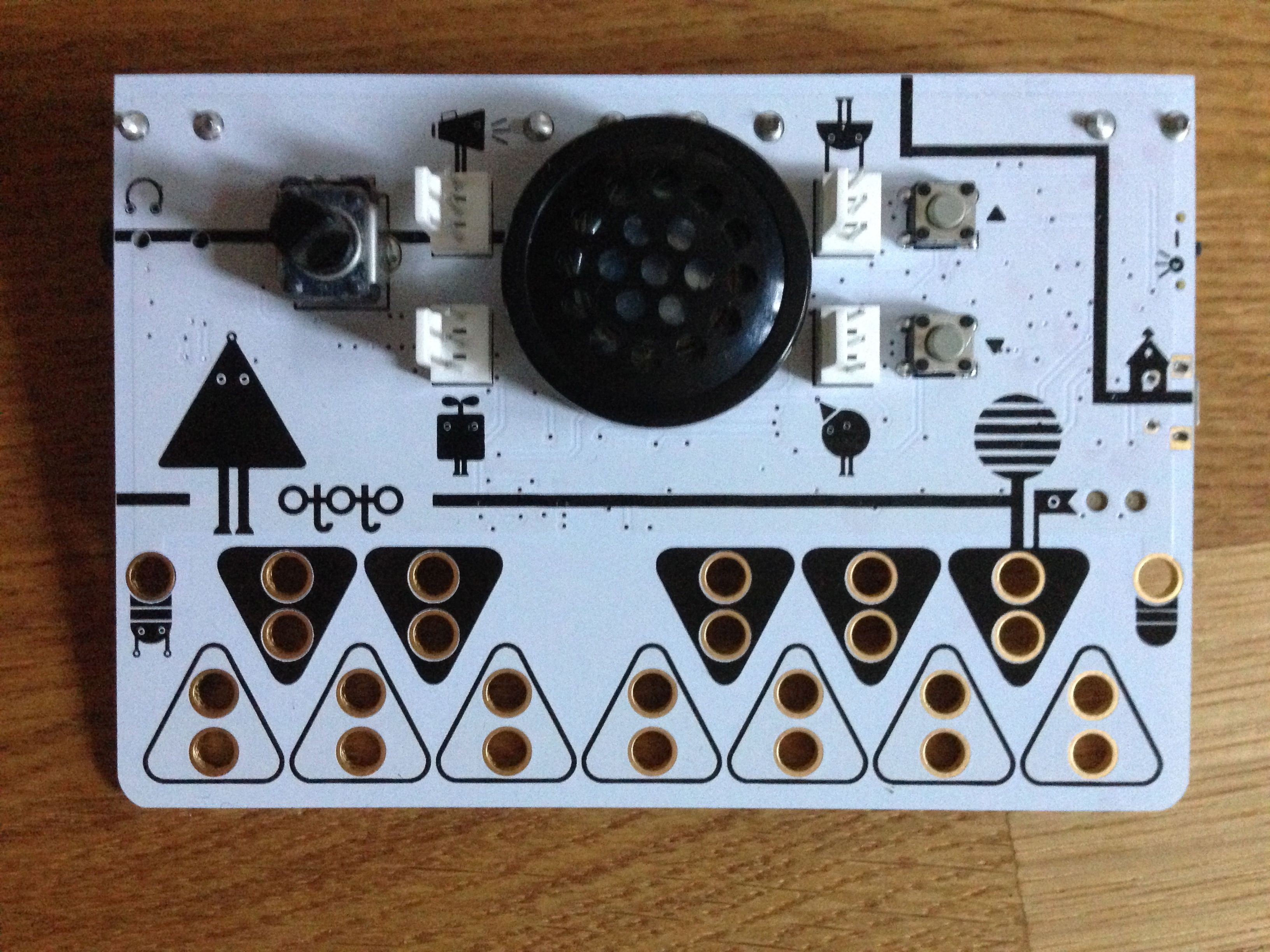
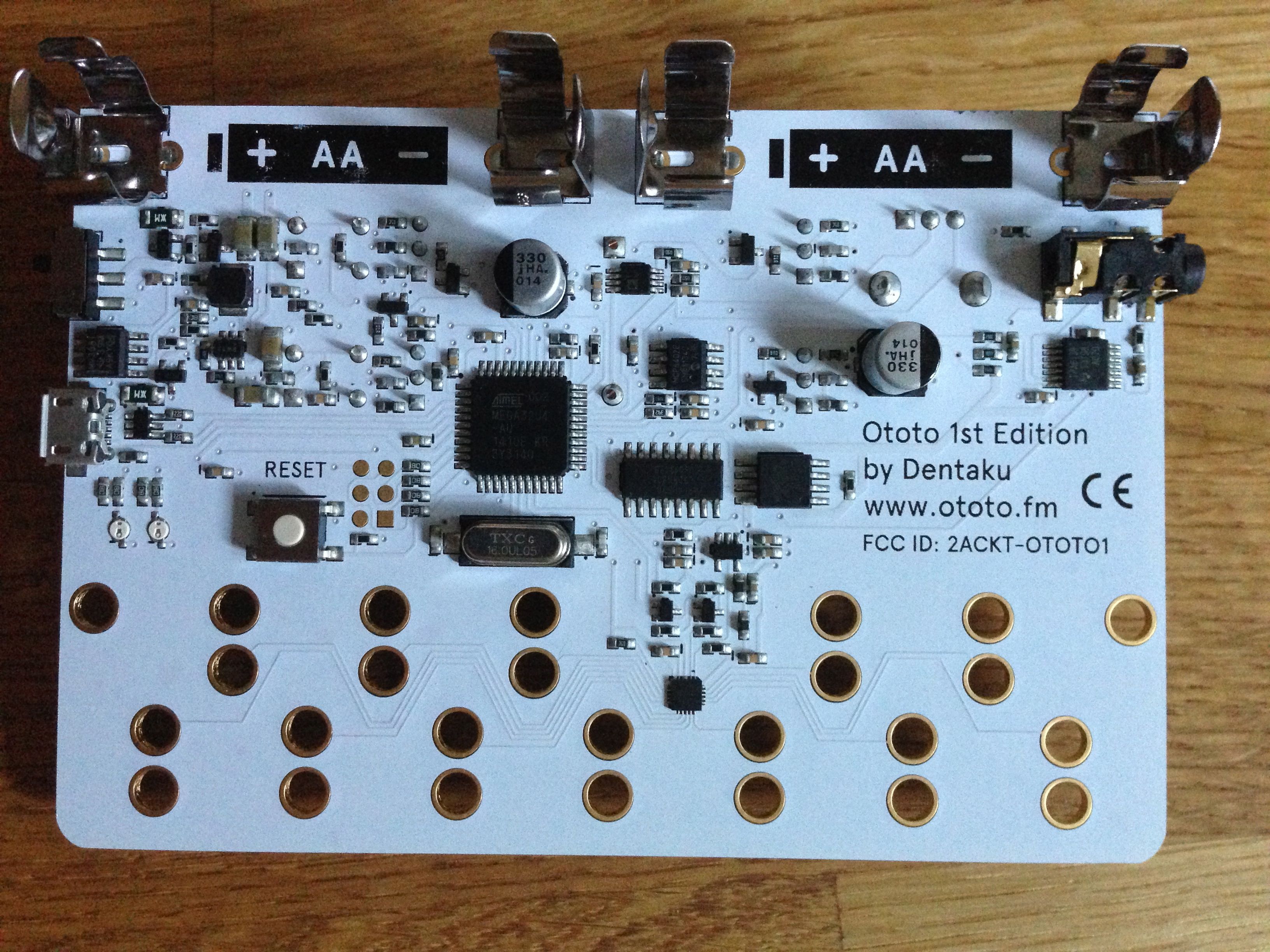
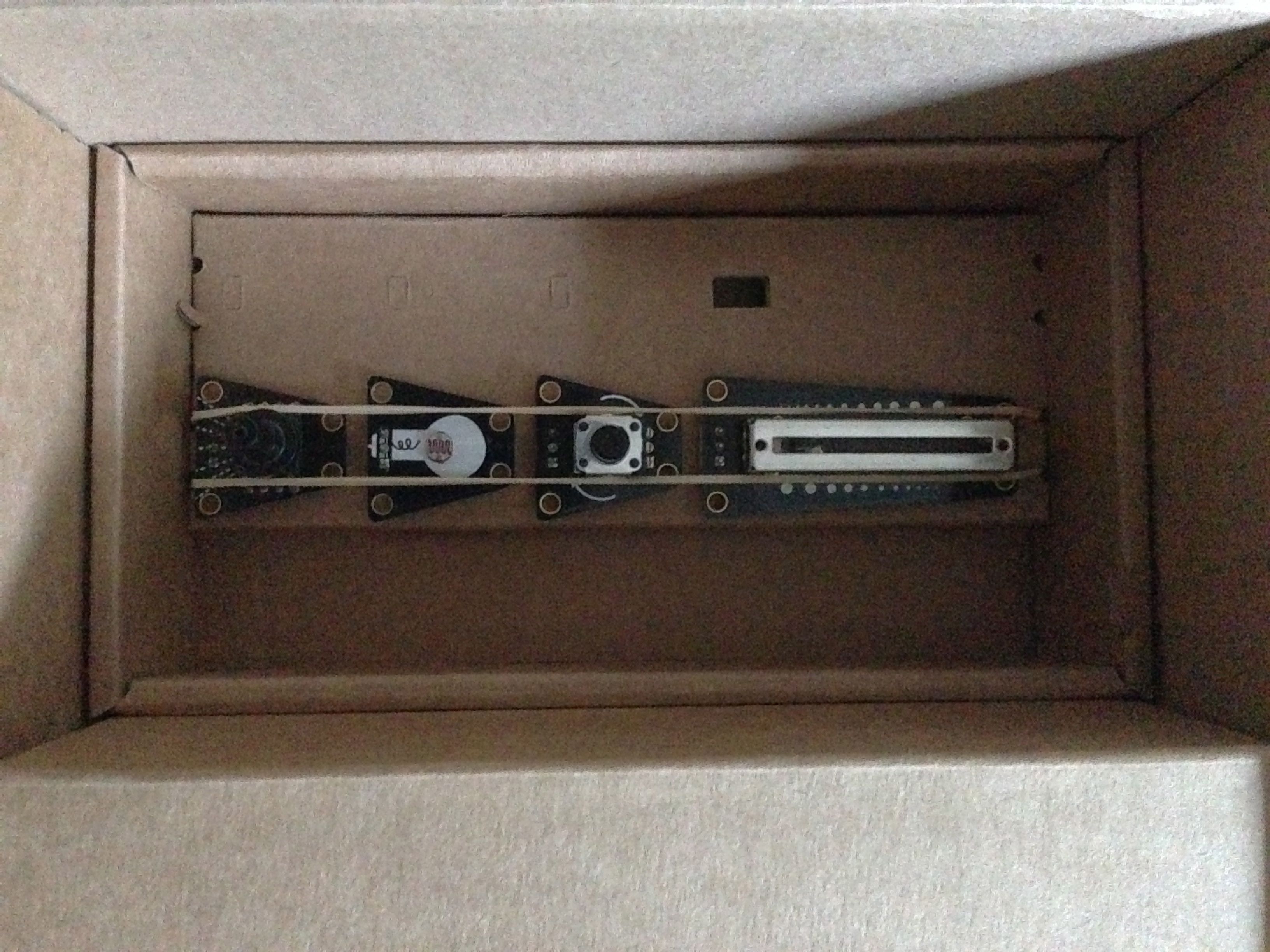
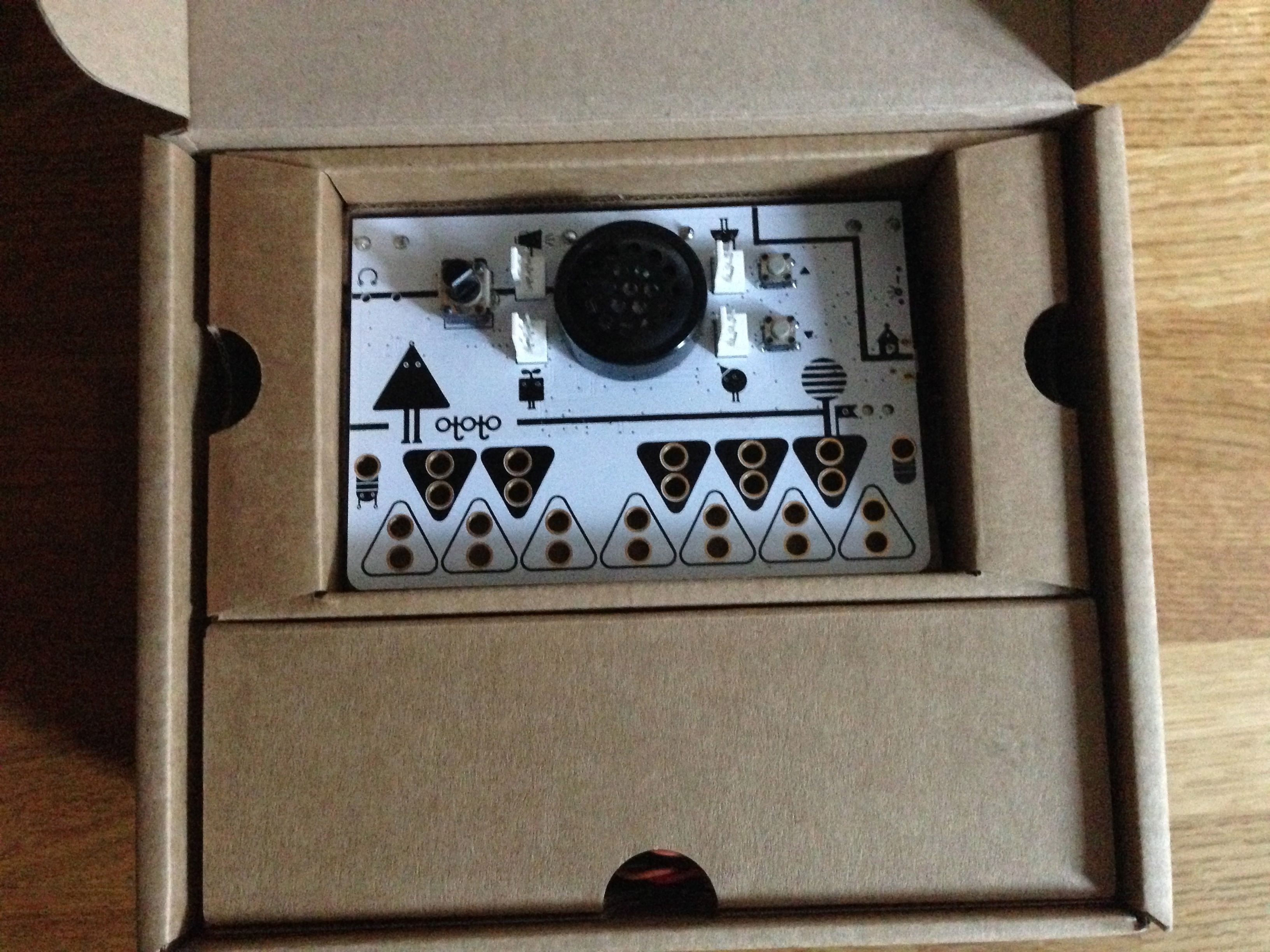
I really like the Ototo board from Dentaku. It’s fun for trying things out and experimenting with ideas. I’ve just bought three new sensors for it, an additional light sensor, a pressure / force sensor, and a ribbon sensor. They’re all very nicely made and to the same high standard as the ones I already have, and, they’ve already been very useful.

But using the board has made me start to think about other aspects of the board. In the Dentaku faq about Ototo it mentions that they’re looking into a way of changing the sounds on the board itself. I think that this would be very useful indeed, as would being able to map the different sensor inputs on any given sound as well. I think it could be done with a simple app either for the desktop of mobile, but it would make the board a lot more useful.