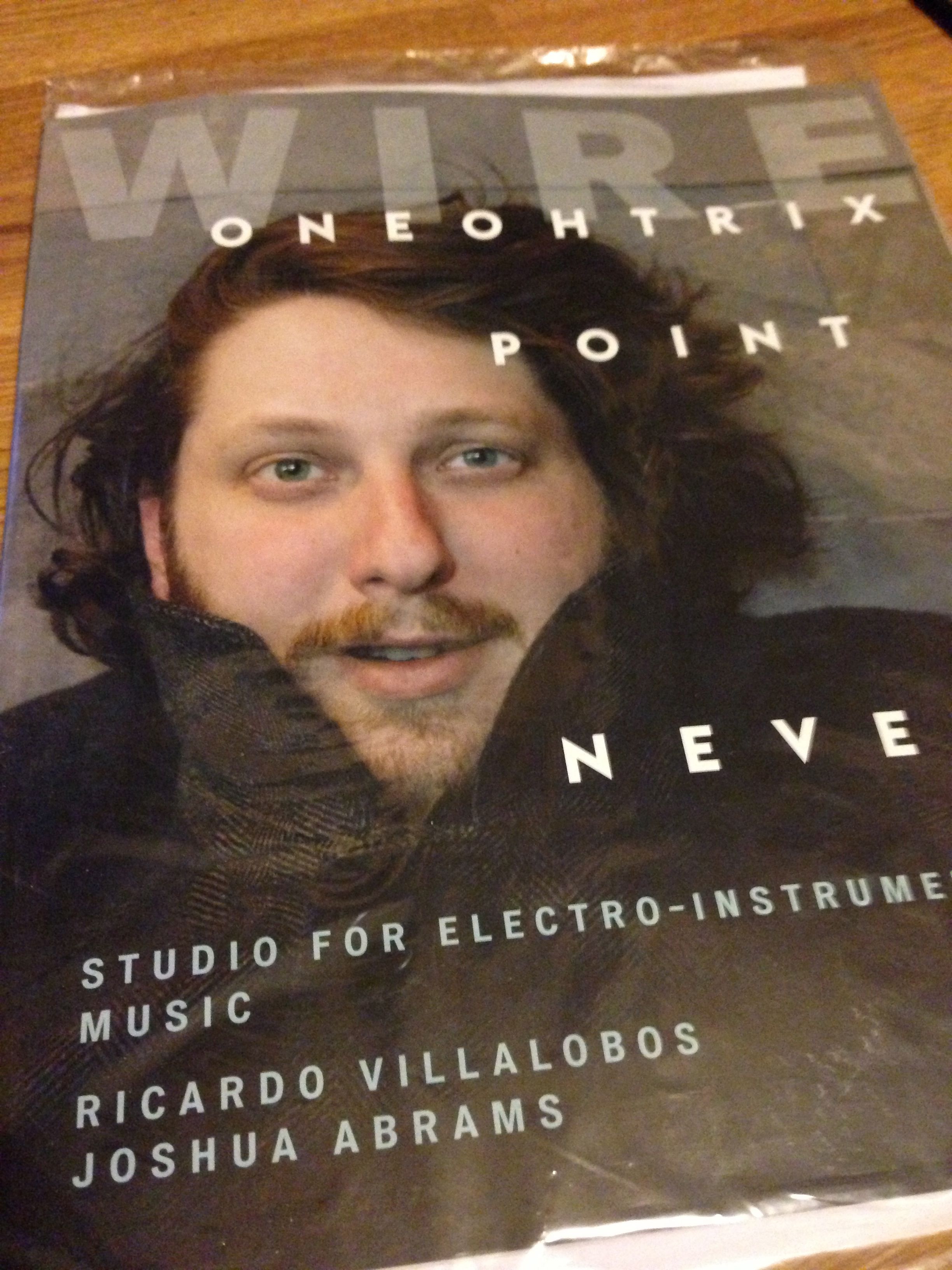
The Wire top 50 albums of 2021

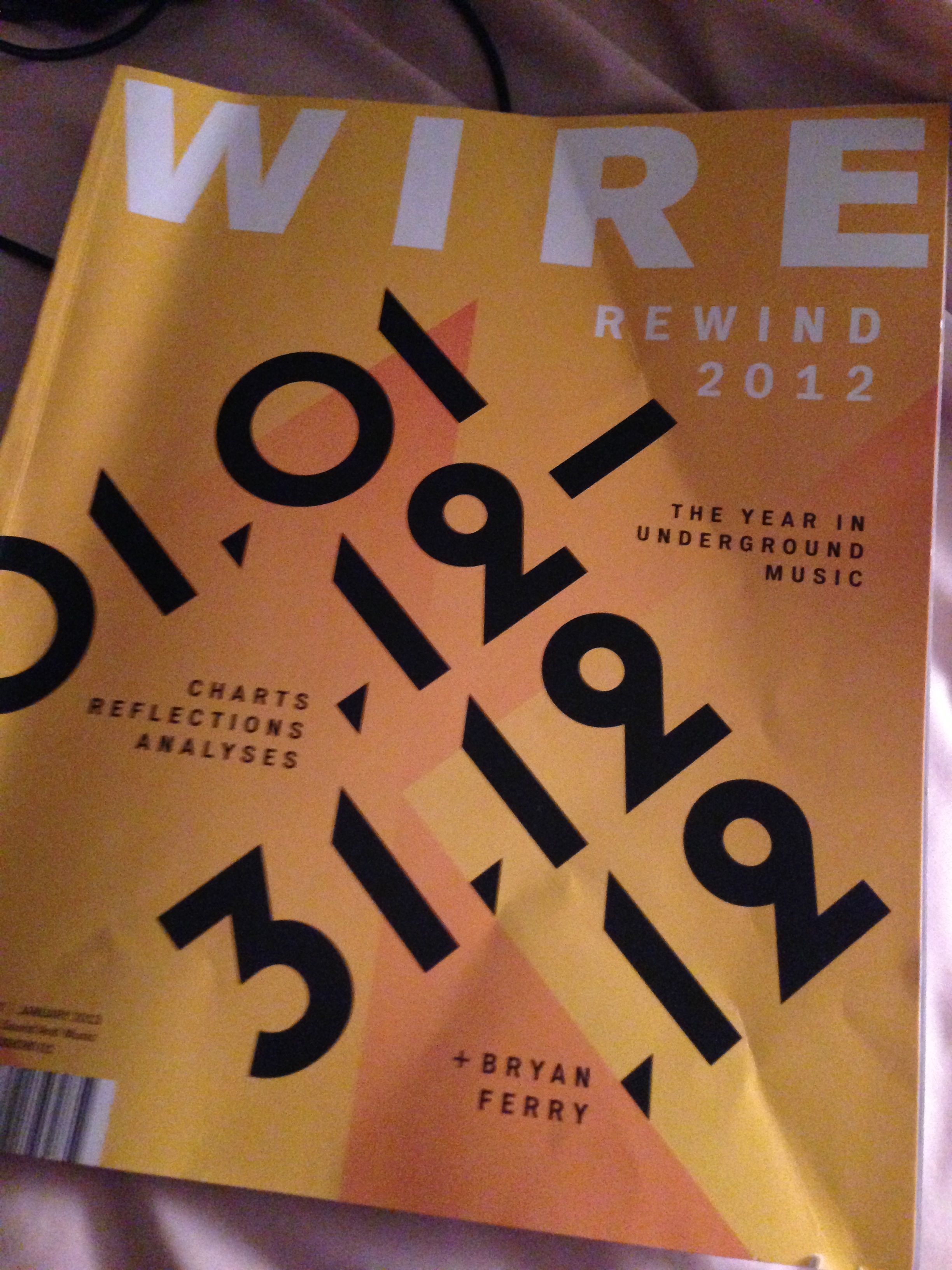
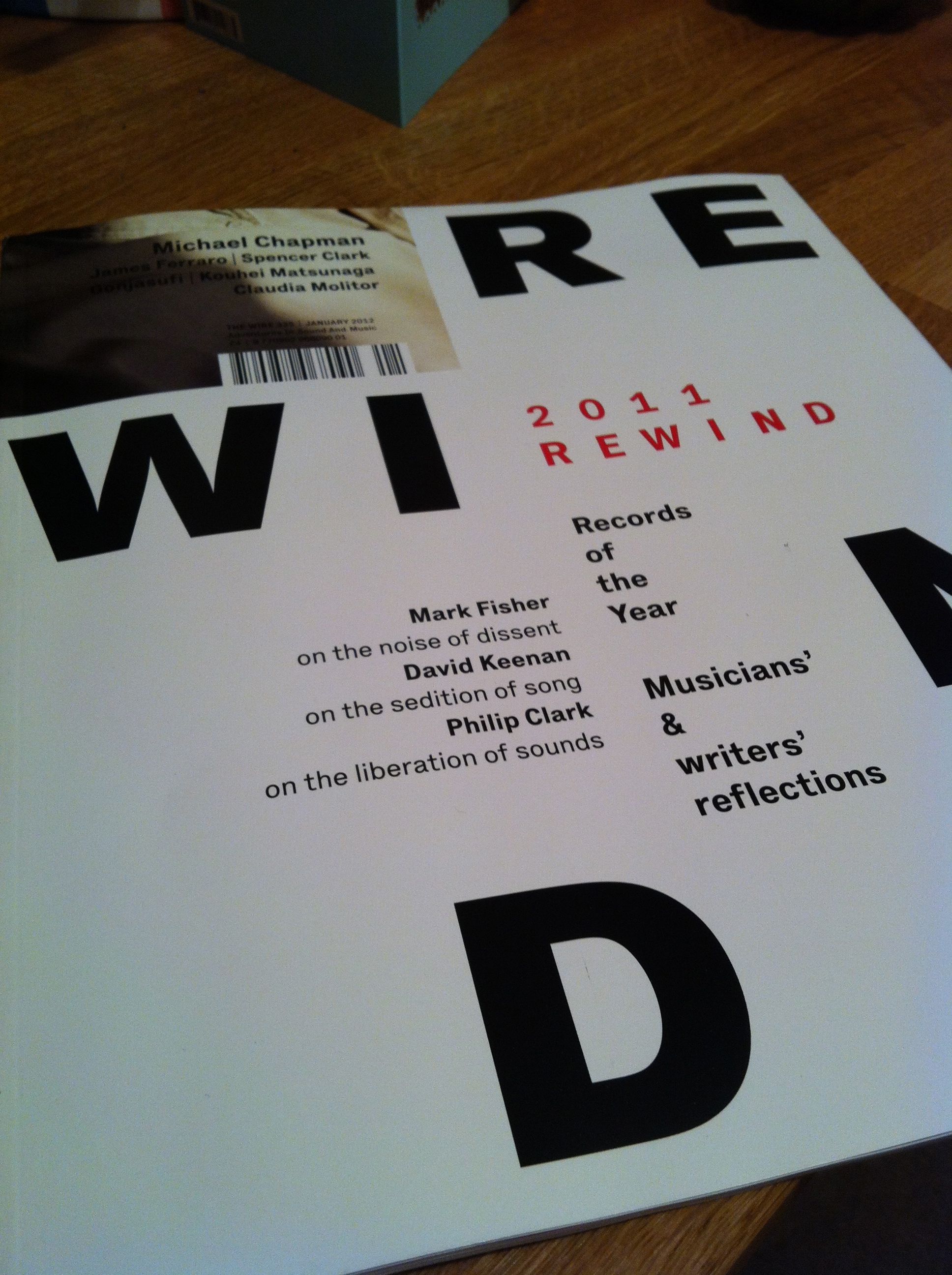
Every year I listen to all of the Wire magazine top fifty albums of the year from their rewind issue. Some years I might have heard of a few of them. Some years I might have even bought one or two of them. But on the whole it is rarely more than one or two.

Usually I find very little that I would want to follow up on, occasionally an artist will stand out for me and I’ll find something new to follow. But more than anything I am pleased to find so much music that, whilst I may not enjoy it, is being created by people who are pushing the boundaries of sound. I find that quite a comforting thought.

I have been a subscriber of the wire for a long time. Probably well over a decade, possibly longer. I like the fact that there is so much going on on the fringes of the world of music. Even if it is music that I don’t like. That is not the point. I just like that it exists, that there are people creating this stuff, having these ideas.

Anyway, if I do find anything that I think is worth noting, then I might just post about it. Who knows.

Barbican: Britain on the move

I went to this on Sunday as I was invited by a friend. I probably would have overlooked this event if it wasn’t for that. But it was good. Quite unique in fact.

I have always had a love of trains, or perhaps, to be more accurate, a love of being on long train journeys. So this appealed to me simply for that fact.

The films shown were of mixed quality. All of them showed different aspects of train travel in different parts of the UK. From busy cities, to the countryside and seaside. The one I liked the best was the first commuter inter city train. The film of that was very focused on the comfort and luxury of the journey. It was very business centric, but, as a piece of social history, very interesting. As was the music, which was live and performed by an ensemble of musicians from the guild hall. They had composed the score themselves, and whilst some of it was electronic and appealed to me a bit more, a lot of it was more generally contemporary.

Overall it was a very good experience. Well put together. Enjoyable. I would certainly go to something like that again.

The quantified self, the sonified self

The idea of the quantified self is not a new one at all. Capturing data on steps, heart rate, weight etc is something that a lot of people do on a regular basis. I’ve been slowly taking this on board for over a year. It started with just step counting but now extends to all manner of data. However, in the last few months I’ve began to extend this into a new concept which I call ‘the sonified self’, that might be something that already exists, but if it does I’m not aware of it. This involved the capture of data, again like steps, motion, heart rate etc and turning that data into sound, or in fact music when that’s possible

I’ve been experimenting with this idea for a few months now, and more recently I think some of my experiments have got to the point where I might even share them. Not in this post, but perhaps in the coming weeks.

Before I do share some of the experimental output I plan to go into more detail about how the process works for me, or at least the component parts of the process and the technologies involved in it. As you might imagine the process involves a number of different devices and apps. However, in the centre of all of this is an app called Holonist. Holonist is in many ways the operating system for my ‘sonified self’ concept. Without it the whole process would not hang together at all.

Holonist really deserves a post all on its own. It’s a complex piece of software and I have barely scratched the surface of it. There’s a lot more to learn and experiment with, and I’m very aware that I am at the start of what could be a long journey.

The next post on this topic will probably focus entirely on the Holonist app itself, after that I’ll cover the process, and, hopefully by then I’ll be able to share some output.

And the plants are singing to me

If this doesn’t mean anything to you then don’t worry. I have to admit it’s a very obscure niche. Sonifying the bio data from plants might seem odd, esoteric even, but to me it’s something really interesting.

I remember seeing MIDI Sprout on Kickstarter, but felt that the price point was prohibitive. However, I always felt that it was something that I wanted to try out. So I watched for one on eBay, and finally one came up at a reasonable price. So I bought it and it worked beautifully.

The little video is with a coffee plant. My plan is to try the MIDI Sprout with a range of different plants to see if there are noticeable differences in each plant’s musical output. As and when I do I’ll post the results. Probably with video too.

However, this isn’t the only kind of sonification project I have on the go, but more of that another time.

Uncommon Deities

This is undoubtedly my favourite album of all time. It is a work of tremendous and rare beauty, and every time I listen to it I am stunned by just how complete and unique it is.

I listen to it only when I have the time to devote myself entirely to listening to it without distraction, as it just isn’t the kind of music that you can listen to in the background. At least that’s my opinion.

However, I’ve recently just sat down and read the poems that are an integral part of Uncommon Deities. On their own they are incredibly beautiful. As a part of the whole they’re even better. But even so, I really enjoyed reading them in isolation.

Endlesss, collaborative music making on iOS

I’ve been playing with Endlesss for a little while now. A few weeks anyway. To begin with I wasn’t sure quite what to make of it. Now I’m beginning to realise that I’ve only just scratched the surface and that there is a huge amount more that I can do with it, and also that I can do with others, after all, it is collaborative.

The idea of Endlesss is really simple. You create what Endlesss calls ‘Jams’. Each jam is like a track, except it isn’t. It is much more than that. A jam consists of ‘riffs’ (or it may be ‘rifffs’, I’m not sure). Each of these is like a moment in time when you add something to the jam, and as you build these up, adding instruments etc, you get a journal of sorts showing how this track (I use that term simply for ease) has developed and changed.

Here’s what the journal looks like

In isolation that’s pretty interesting in itself. But the more impressive feature is that you can take any point in the journal and then take your jam in a different direction. For me this is probably the most interesting aspect of Endlesss.

Endlesss Journal view

As you can see there are a number of different iterations of this jam and they’re grouped by date. This makes taking ideas in different directions very easy.

The wonderful world of Griff

The excellent Griff application for Windows Mobile

This is a little journey back in time to before there were iPhones, and when PDAs were big. Ok, not big perhaps, but prevalent to a degree. Back then there were a few applications (we didn’t call them apps back then), that were for music, but, to be honest, they were few and far between. Also there was no standard architecture for things like plug ins on mobile. So it was an interesting time.

One of the most interesting and advanced was Griff. It was a Windows Mobile application, and it had a unique architecture, at least in terms of mobile applications. Griff was essentially a sequencer with a plug in architecture allowing it to be highly extensible.

There was also a reasonable number of these plug ins too. Mainly synths, but also samplers and drum machines. It was very cool in a world before iOS music making.

Whilst it’s not completely abandoned, the web site is still there. It isn’t what it quite was, but you can still find things, and you can still download things I think.

Whilst it’s understandable that Griff is no longer a going concern I still feel a little wistful about it. I remember first discovering it, although I was late to the party. It was a real revelation, and I actually bought a more powerful Windows Mobile PDA to be able to use it.

This is a good project for these times. Especially if you have an old Windows Mobile PDA hanging around. As I do!

Waiting Room Volume 1

An album from Blancmange for the quarantine from Coronavirus

A new album from one of my favourite bands, “Blancmanage”. Waiting Room (Volume 1).

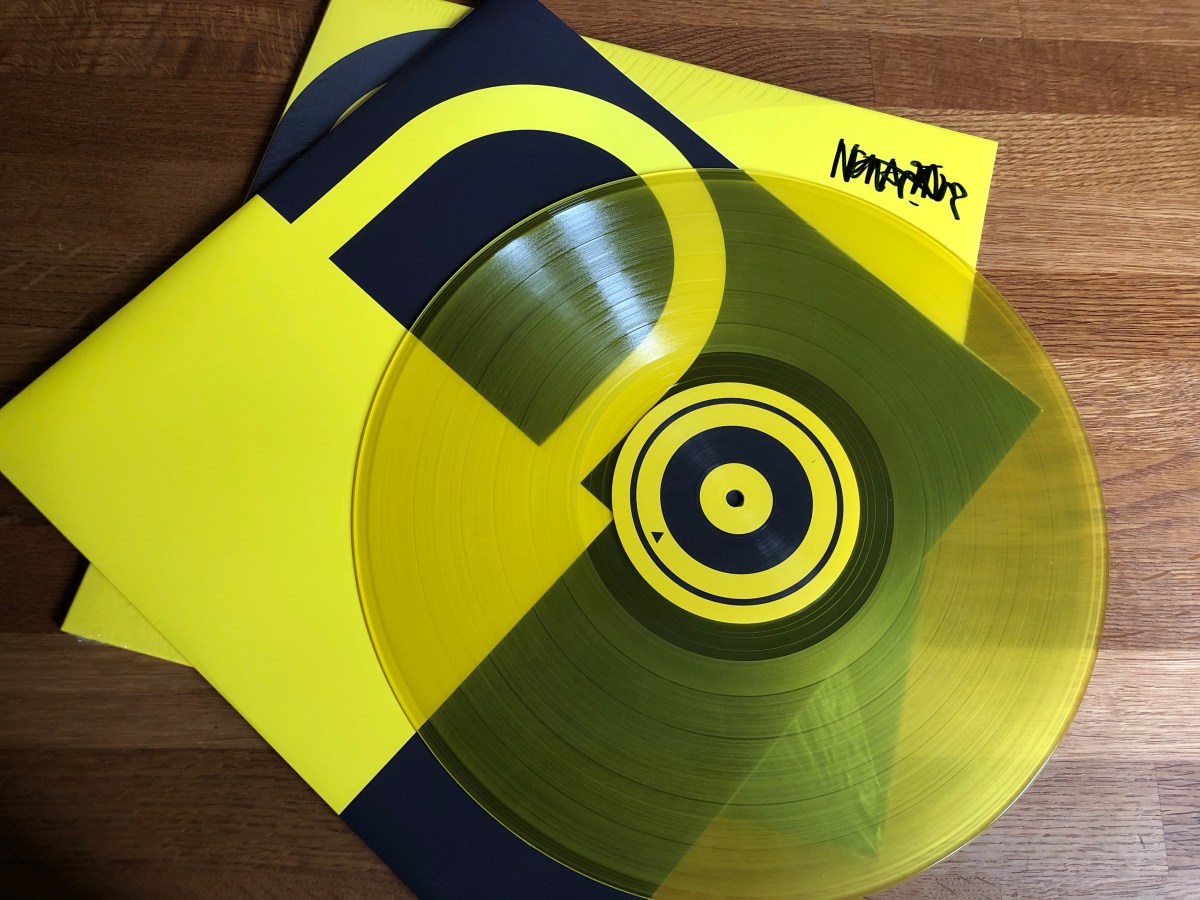
Apparently this is a collection of songs that didn’t fit anywhere else. I can understand how that happens. It makes sense to me. I bought it, mainly to support Blancmange in these strange and troubled times. I didn’t expect much, but, on the whole, these are pretty good tracks.

They certainly have a feel of not really fitting together, and, if this makes any sense at all, that sort of binds them together. In a ‘not really binding together’ way. Which I will admit makes no sense either.

I’ll listen to them again soon(-ish), and I may even write something more about this collection of songs. Who knows.


More about Blancmange

Blancmange: Nil by Mouth IV and V

I have been listening to Blancmange since the 1980s. In recent years, I have found their (his) music much more introspective at times, and especially this series of instrumental albums ‘Nil By Mouth’. In this latest iteration, albums four and five arrive as a double album, and both live up to the previous quality. I…

Something went wrong. Please refresh the page and/or try again.

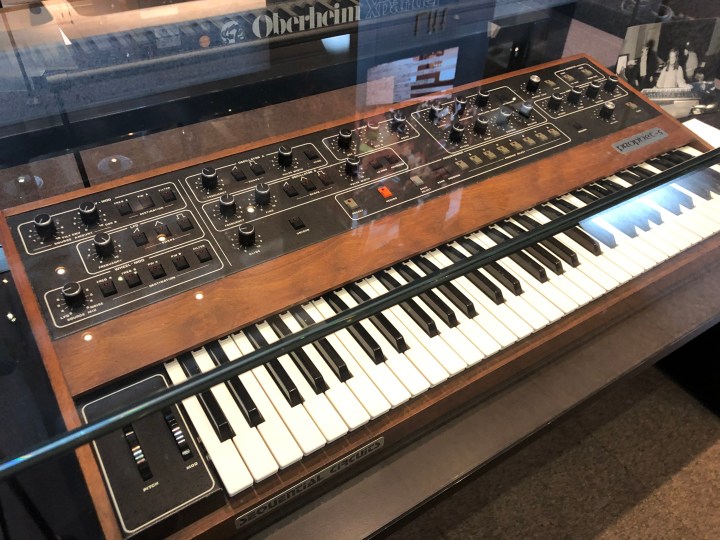
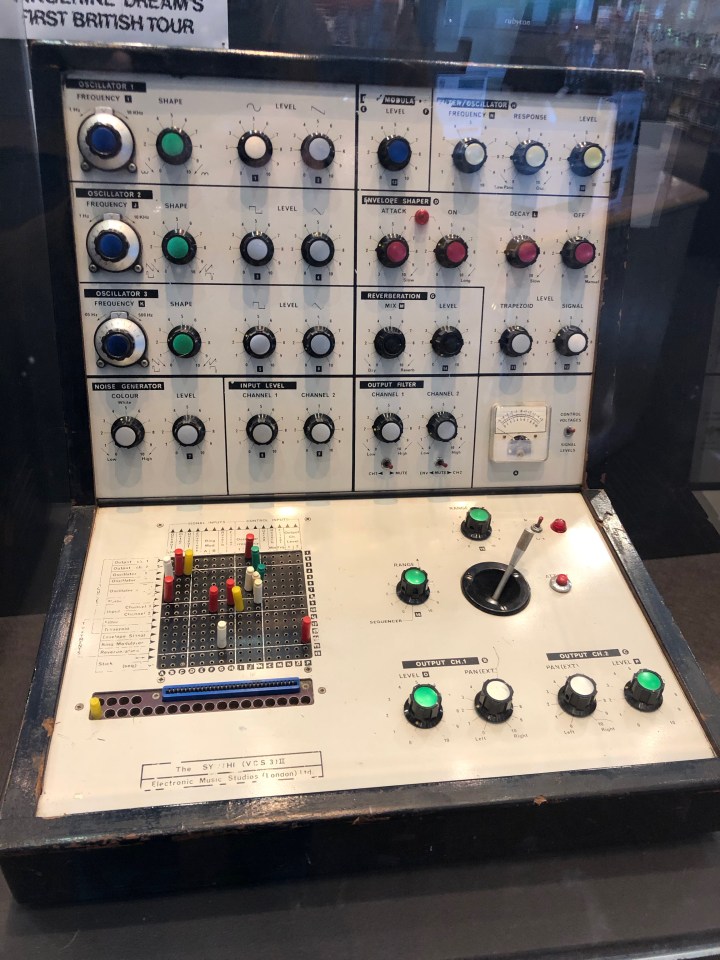
A very small Tangerine Dream exhibition

I was glad to get along to this. I can’t say that I’m a huge fan. In fact, it was really only 2018 when a friend asked me if I wanted to come along and see them live. I went. I was really impressed. It was an amazing night.

Since then I’ve listened to bits and pieces, including, very recently, the entire “In Search of Hades” box set. Which was quite a big thing to listen to. So I thought it would be worth checking this out.

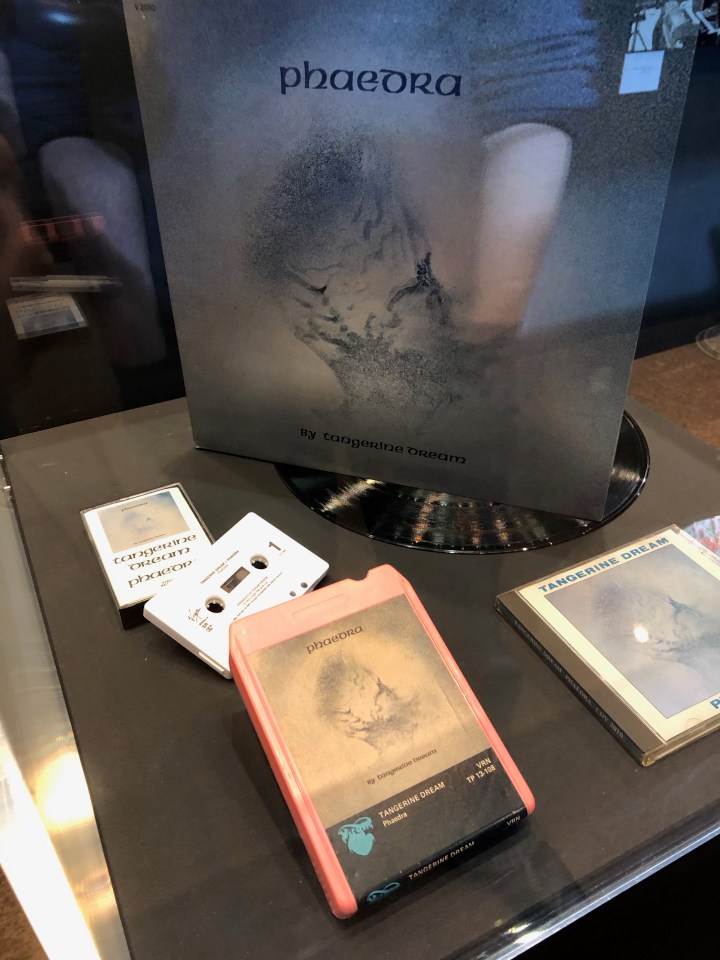
To say that this was a small exhibition would be something of an understatement. It was to be honest, tiny. It is tucked away in the Barbican library music section. Now there’s nothing wrong with that, but I do think that a band of this stature really deserves better. Perhaps something thoughtfully curated. Something that provides a deeper understanding to the music, the ideas behind it, the process itself?

Personally I’d like that. This, at the Barbican, was fine as a taster, but essentially it wasn’t enough. I understand why it was small, but I do think that someone like the Barbican could have done more to make this something to celebrate and show what an enormous contribution this band has made to electronic music specifically, but also to music making and musicians in general.

A Wotja a day

I make a lot of music, very little of which I share anywhere these days. For the most part I make music for my own enjoyment, which is much more productive I feel. Anyway, I digress. The point of this is that at the start of the year I decided that I would try to make a small track each day with an app that I really like and enjoy. It’s called Wotja.

Wotja is a generative music system for iOS, although it’s been around a lot longer than that. I’ve actually been a fan of it since around 2007, which kind of puts things in perspective. Of course it’s changed a lot since I first started using it.

Anyway, once again I digress a little. The point of this is that I started on the 1st of January, and so far I’ve kept it up the whole time. So here’s the first. I’ll post the others, probably in small batches, periodically. Hopefully I’ll manage to keep it up all year too.