At times wonderful, and at times totally frustrating too. That’s technology, my experience of it anyway. I do a lot of stuff with technology and I suspect I will continue to do that.
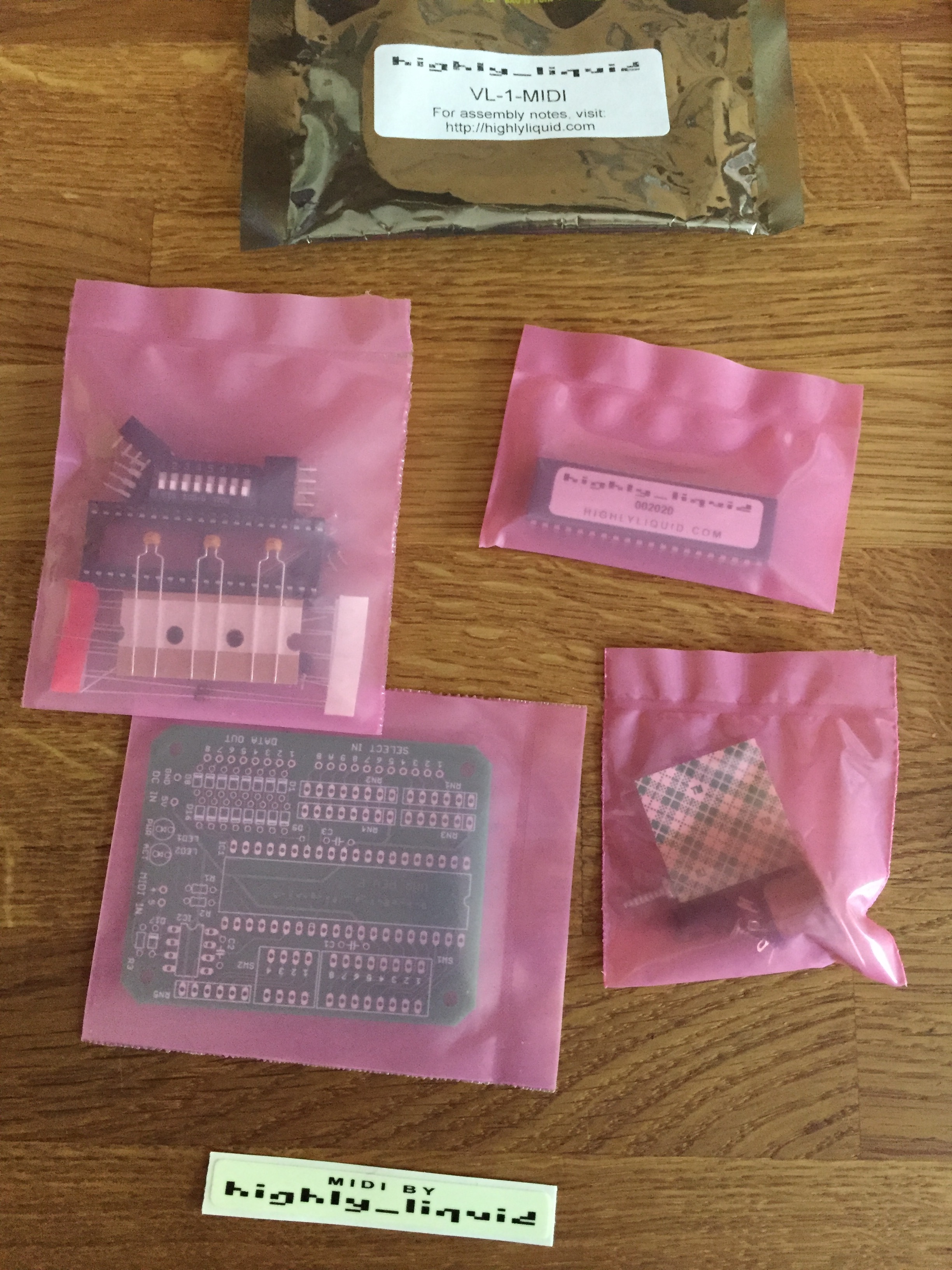
I was looking for something else when I found this! I knew, or at least I seemed to remember that I’d bought one of these ages ago. Well I’ve found it and I’m planning to get it going soon(-ish). Ideally I’d like to get it running so that I can get it to work with my VL1 bot. We’ll see about that.
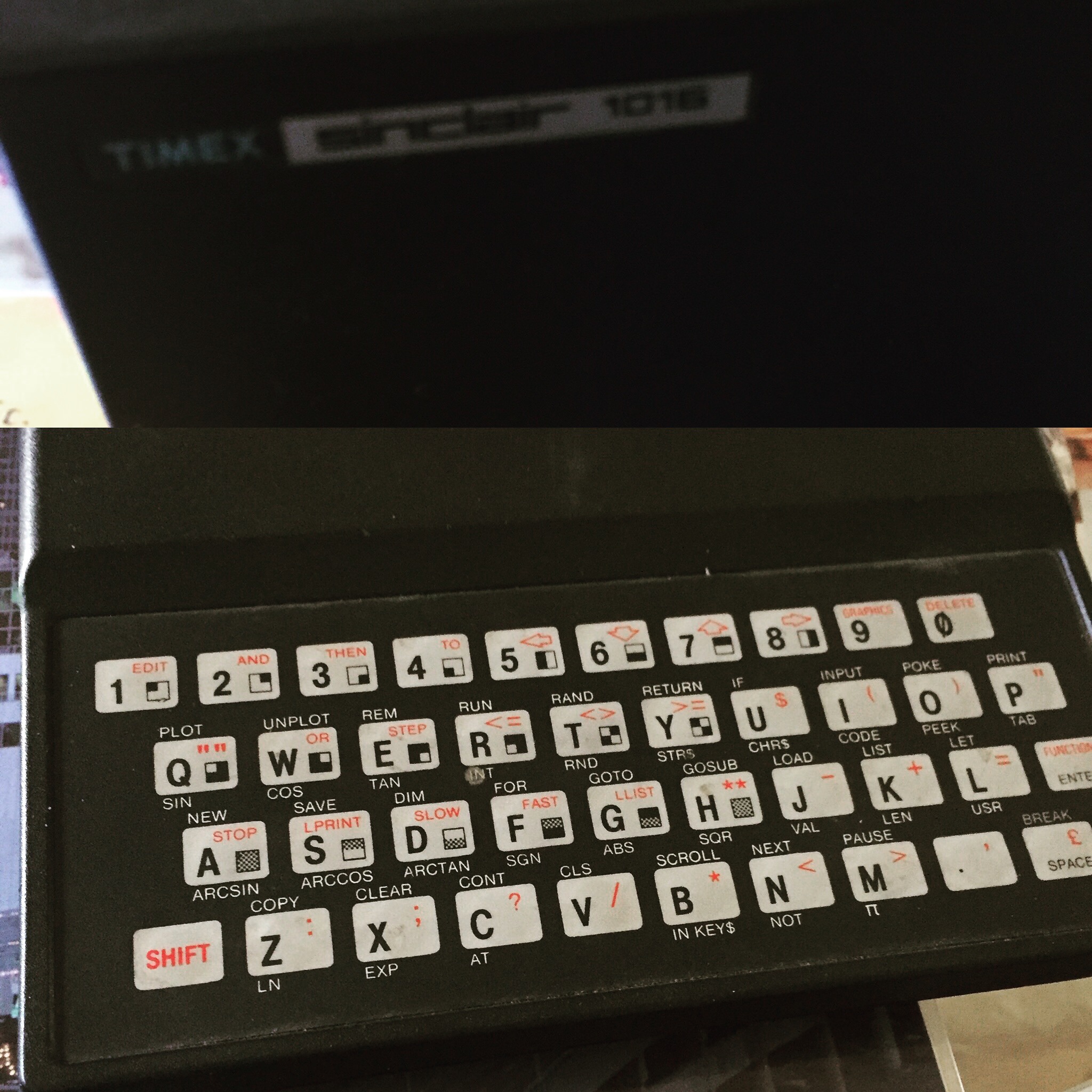
The Timex 1000 is the US equivalent to the ZX81. I was given it when in Canada last week and it looks like it’s in pretty good shape actually. I’m going to be very careful about firing it up though as I don’t want to get the power supply wrong in any way. When it’s all up and running I’ll post some stuff about what I’m doing with it.
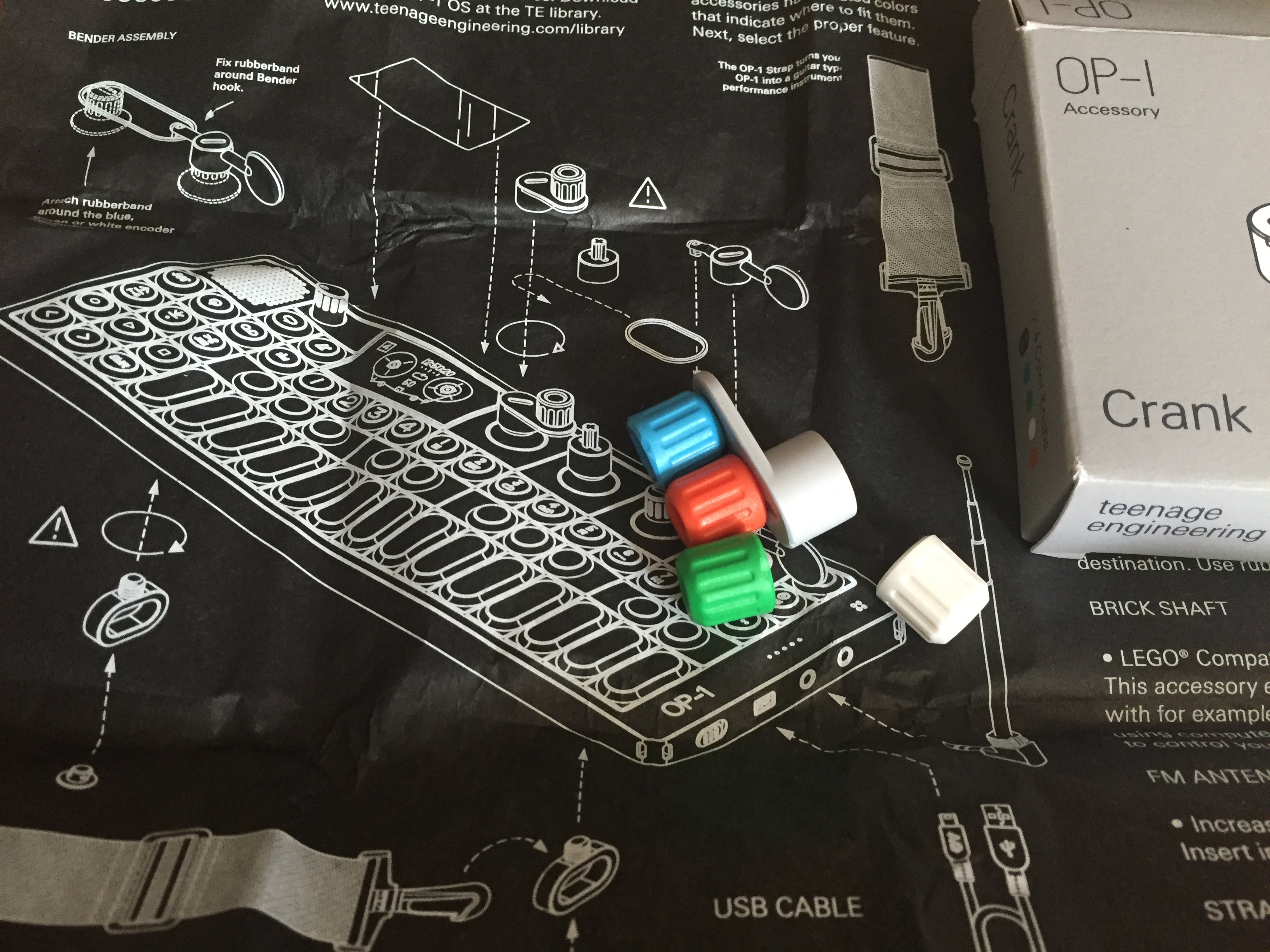
I’m slowly adding to my collection of Teenage Engineering stuff and my latest addition is the crank for the OP-1. As ever, the packaging is pretty cool too.
Interesting that it’s changed now from just Arduino day. I wonder how long before it becomes just Genuino day? I guess it will happen eventually.
So today is a day when people do strange things with small microcomputers. That’s excellent. I might even find some time myself to do something. I had planned to go to an event, but it ended up not being possible sadly, so I will have to satisfy myself with some home tinkering I expect.
I’ve backed quite a few things on Kickstarter over the last few years, and on occasion things are late. I think that’s inevitable really. But the KDJ-ONE is really late, really really late. They’re now saying that it’ll come in June this year. It’s been a long wait. I hope it’ll be worth the wait in the end.
So I’ve had this device for a little while. It works. It does exactly what it says it would, I can use it for Spotify and it works just great with that. But that’s not the problem. Not at all. The problem is that I don’t really have a use for it as yet.
Now I only got this device as it was on sale, down from £30 to £15, which I thought was a good deal, in fact a great deal. So I got it. Now I don’t know what to do with it really. Since getting it I’ve only used it on a couple occasions. Granted, it’s worked fine both times, but both were to test it out to see how it worked. Now I know. I also know that I don’t really need it either.
I know it’ll be useful for something, or if I get rid of it it’ll become useful straight away. That’s happened plenty of times before too. So I won’t just get rid of it for the sake of it. But it does need a reason to be kept about.
They’d said that they were going to do that, but now they actually have. It looks ok. But it’s made me wonder why I would automate a journal entry? What would that work? I’m not sure at all.
Anyway, I’m still on Day One ‘Classic’ and not 2 as yet as I’ve had too many problems with the new version. This might help me try version 2 again. Maybe.
I finally got this stuff to work at long last, and when I did I realised that it is amazingly good fun to play with! It’s awesome stuff and I’m having a great time with it.
My next build will be something with sensors and hopefully audio too. Let’s see how that goes.